

Interior design is not only about making a room look beautiful. It is about making the space support the people who use it.
A successful design understands how you move, how you rest, how you work, how you receive guests, how natural light enters the room, what materials touch your daily life, and what mood the space should create from morning to night.
The biggest design mistakes are often not obvious at first. A material can look premium alone but feel wrong beside another material. A sofa can be beautiful but destroy circulation. A room can look impressive in a photo but feel cold at night because the lighting was never planned properly. Good design is the art of making every detail work together.
At Lumivox Studio, we believe a space should not be designed as a collection of nice items. It should be
designed as a complete experience – functional, emotional, personal, sustainable, and visually refined.
1. Designing for the image, not the person
What the client feels: The client likes a reference image, but after copying it the space does not fit their routine, family, brand, or way of living.
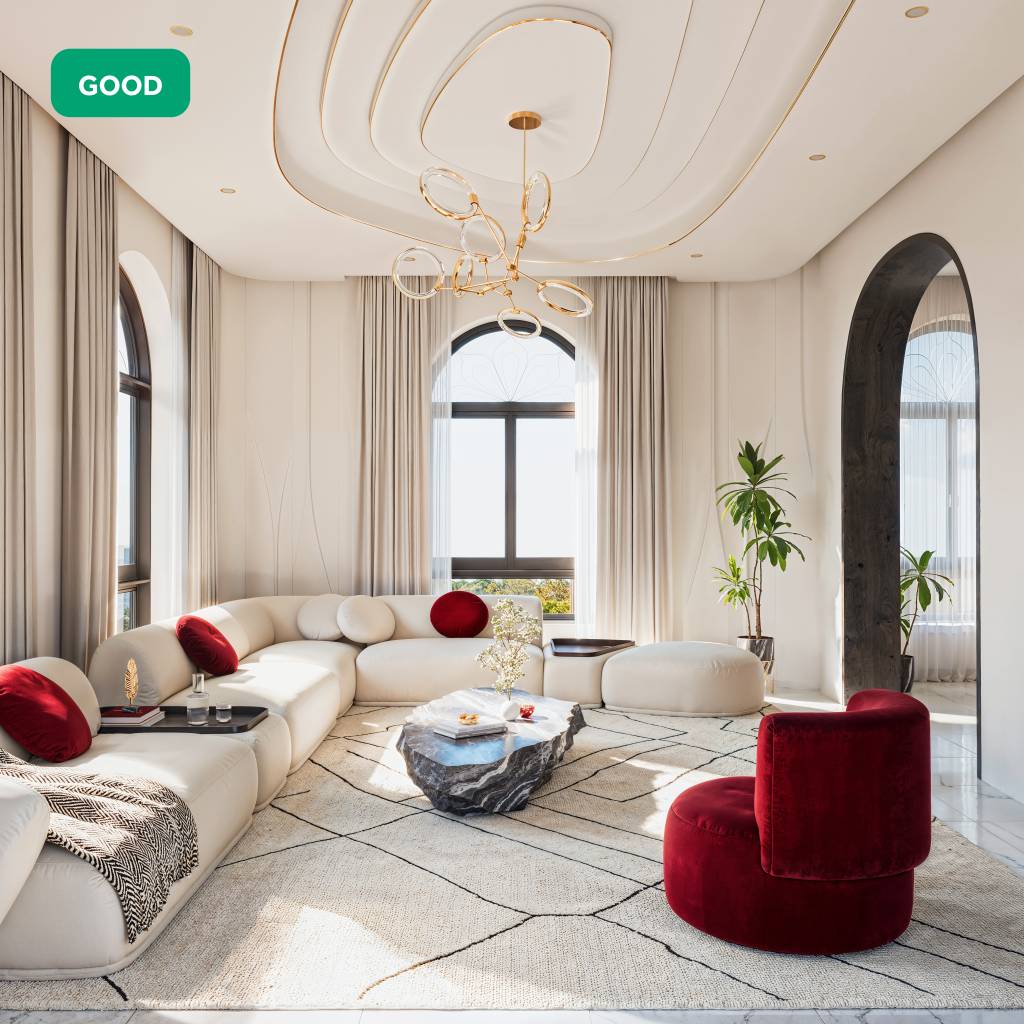
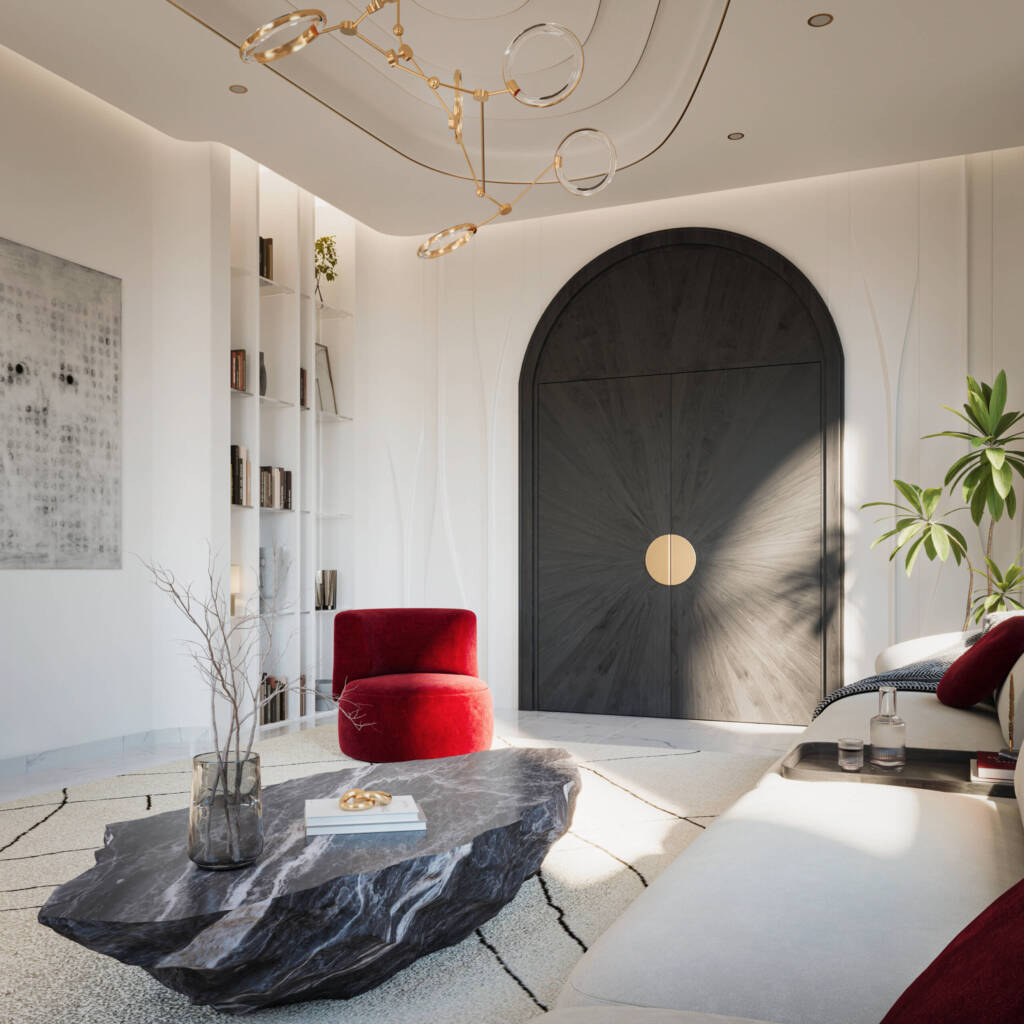
The professional design decision: Start with the person before the style. A bedroom, restaurant, home office,
retail space, or lounge must be designed around behavior first and appearance second.
- Ask what the space must help people do: rest, focus, gather, wait, display, sell, host, or recover.
- Define the emotional target before choosing colors and furniture.
- Use references as direction, not as a copy-paste formula.
2. Ignoring circulation and breathing space
What the client feels: The room may look full and expensive, but movement feels tight and the eye hasnowhere to rest.
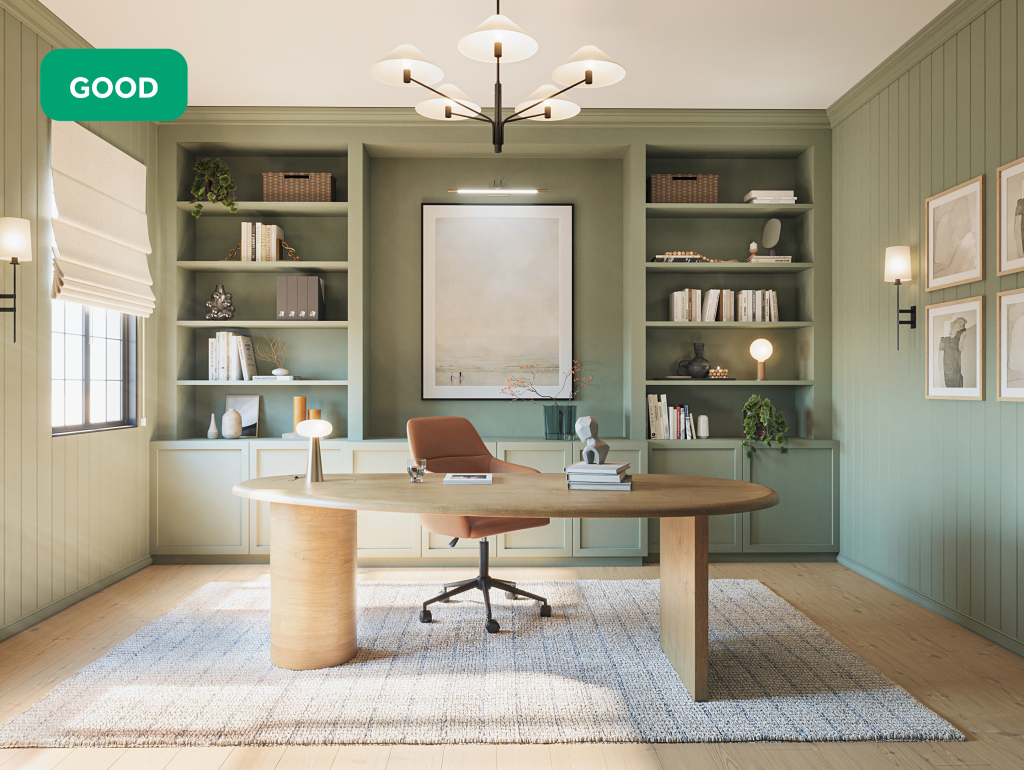
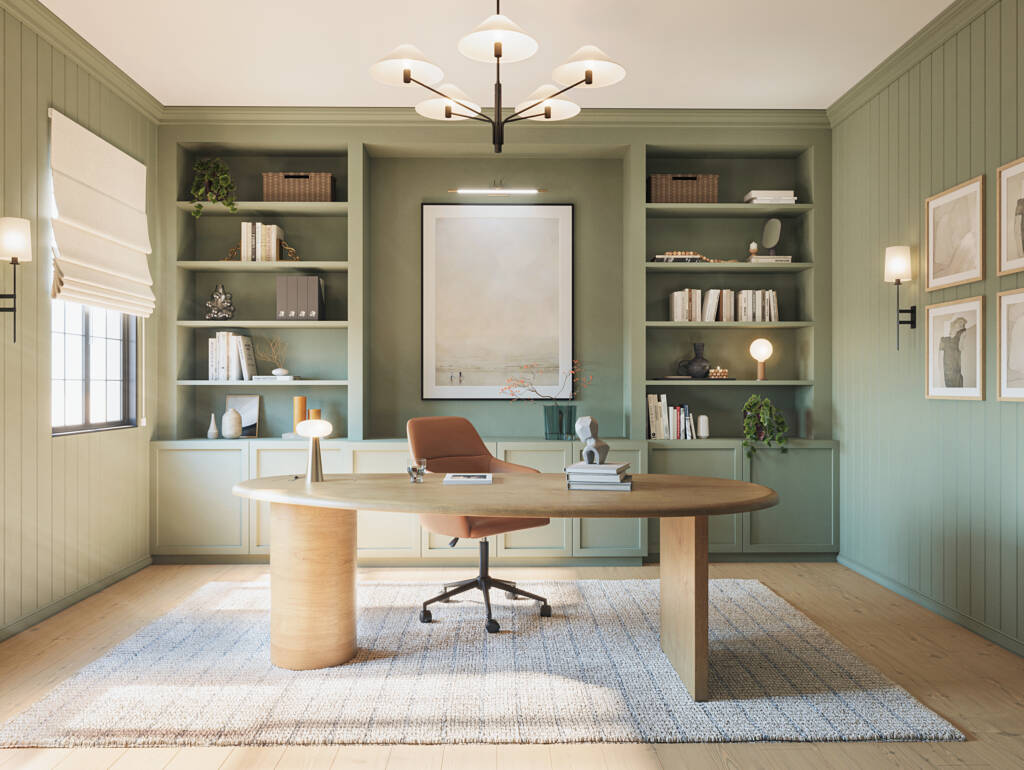
The professional design decision: Empty space is not wasted space. It is what allows movement, comfort,
safety, and visual clarity. A premium room needs quiet zones as much as feature zones.
- Use negative space to make important pieces feel more valuable.
- Keep clear walking paths between doors, seating, storage, windows, and work areas.
- Do not fill every wall or corner just because it is empty.
3. Choosing furniture without respecting scale and proportion
What the client feels: A furniture piece looks beautiful in a showroom, but once placed inside the room it feels too large, too small, too low, or visually heavy.
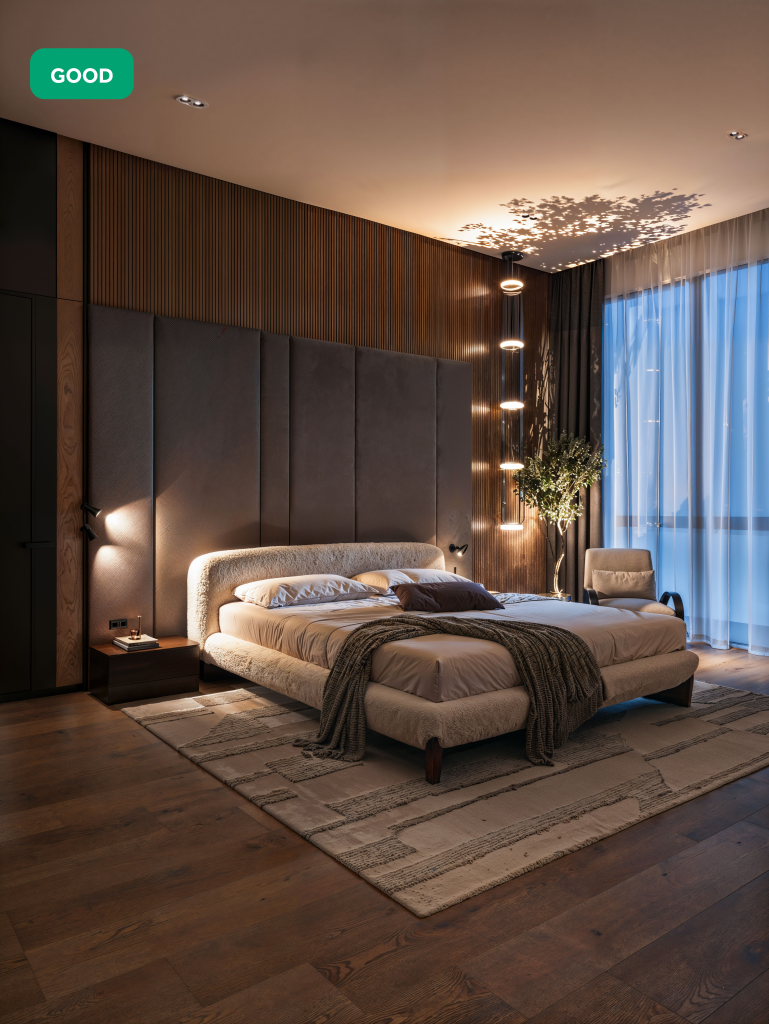
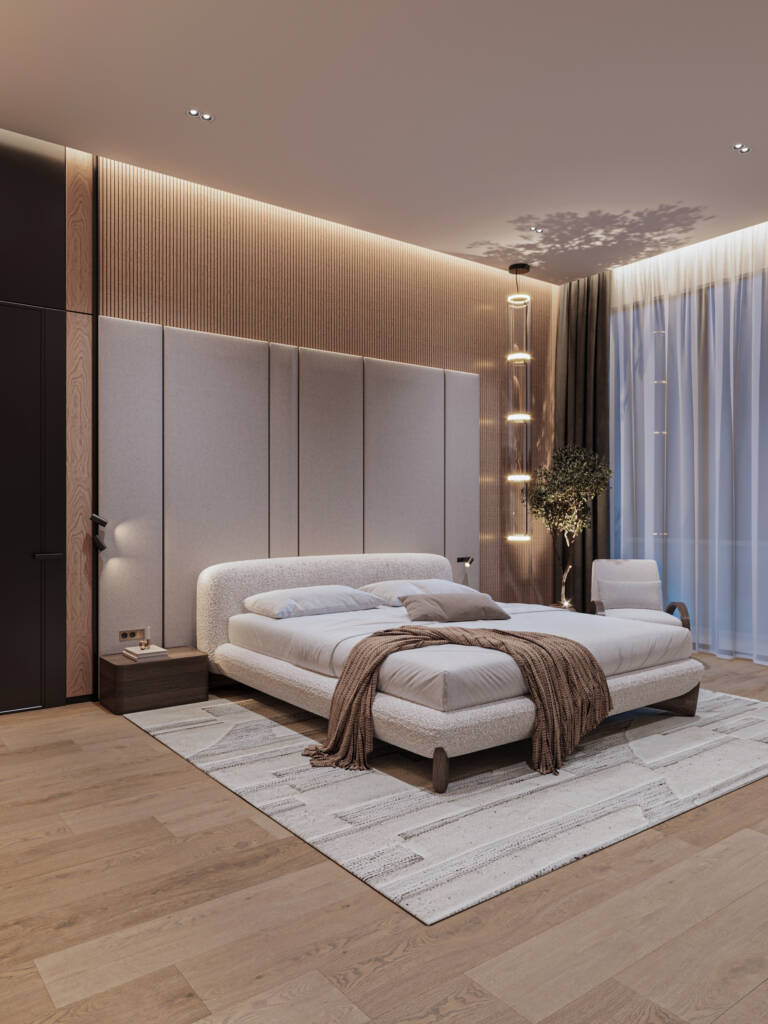
The professional design decision: Furniture must be selected by proportion, comfort, distance, and relationship to the architecture. The goal is not to place beautiful pieces; the goal is to make pieces improve the room.
- Check furniture dimensions against the actual room, not only against product photos.
- Balance large pieces with lighter visual elements, texture, and open space.
- Make sure seating, tables, and storage support real daily use.
4. Treating lighting as a final accessory
What the client feels: The space looks good during the day but feels flat, harsh, or cold at night.
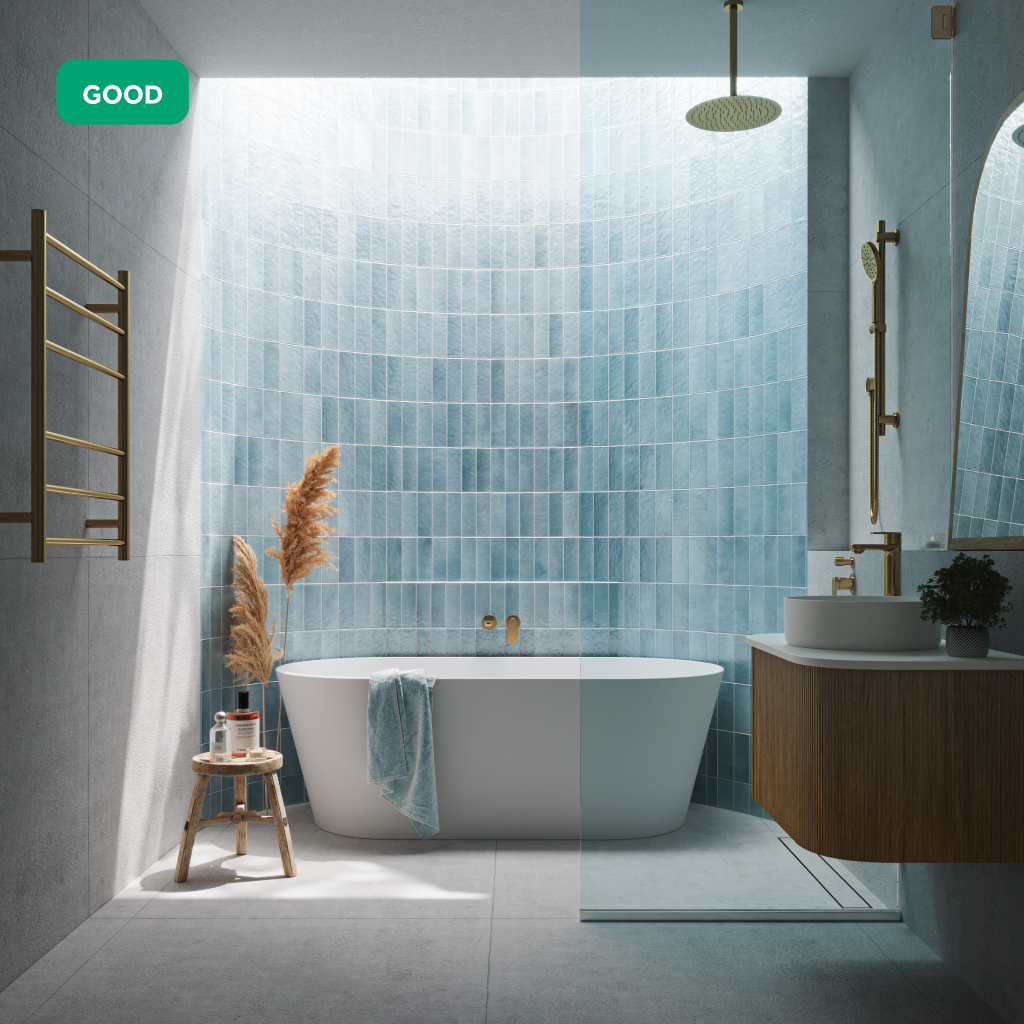
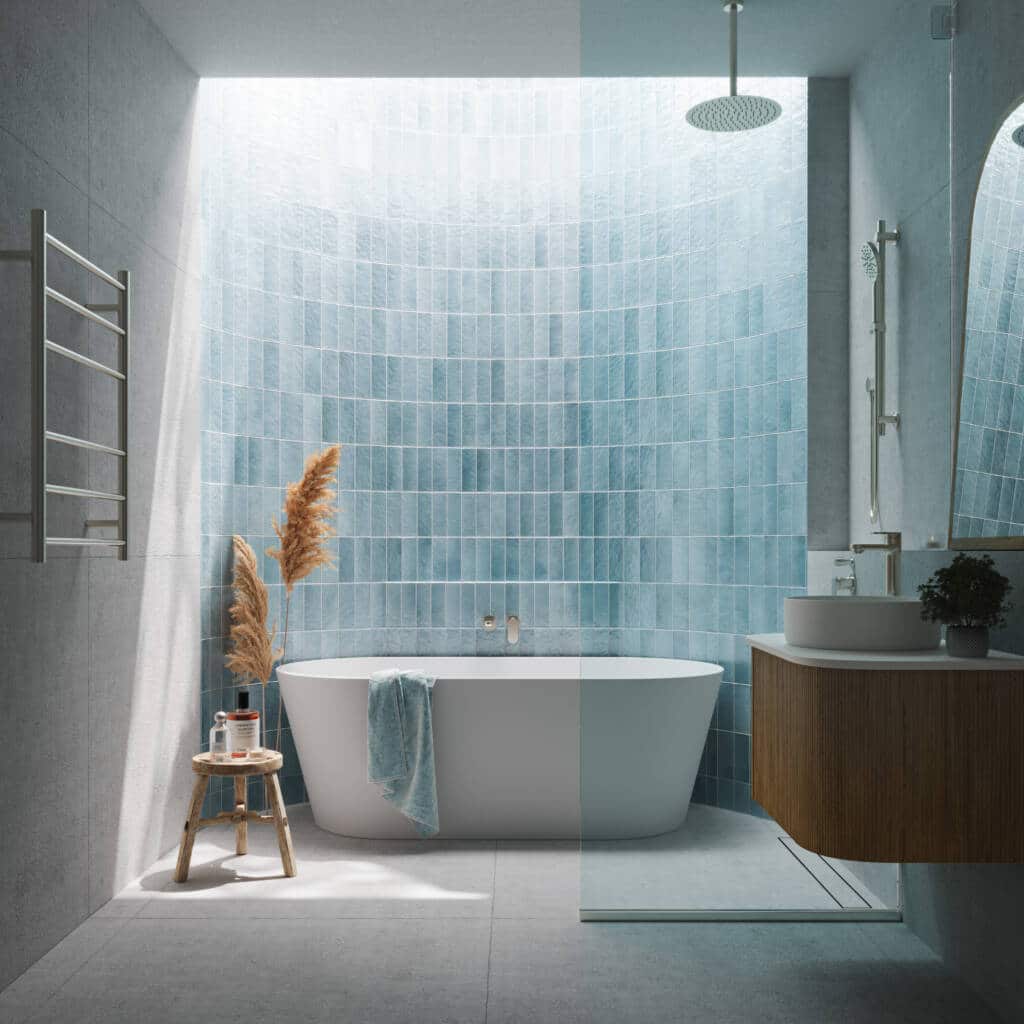
The professional design decision: Lighting is one of the strongest mood tools in design. It should be planned
in layers: ambient light for comfort, task light for function, accent light for depth, and natural light for life.
- Use warm, soft lighting for bedrooms and lounges when comfort is the priority.
- Use focused task light for desks, kitchens, reading corners, vanities, and display areas.
- Use accent lighting to reveal textures, wall panels, art, plants, and architectural details.
5. Using materials without understanding psychology
What the client feels: A space can look expensive but still feel cold, heavy, noisy, or uncomfortable because the materials do not support the right emotion.
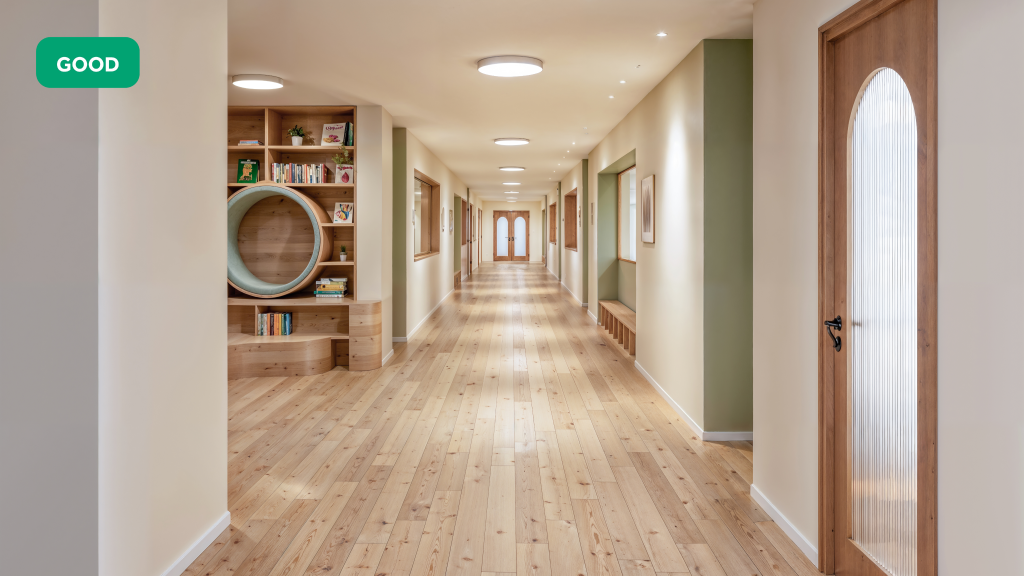
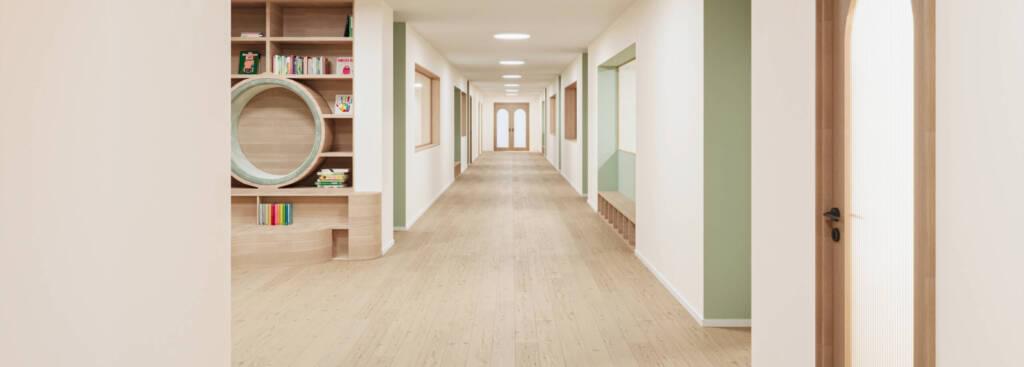
The professional design decision: Materials affect psychology. Wood can bring warmth, stone can add solidity, fabric can soften sound and mood, metal can add precision, glass can create lightness, and matte surfaces can feel calmer than glossy ones.
- Choose materials according to the feeling needed: calm, luxury, focus, freshness, intimacy, or energy.
- Balance hard materials with soft ones so the room does not feel harsh.
- Control reflection: too much gloss can feel busy; too much matte can feel flat.
6. Choosing colors only because they look nice
What the client feels: The color looked beautiful online, but in the real space it feels darker, colder, louder, or less comfortable than expected.
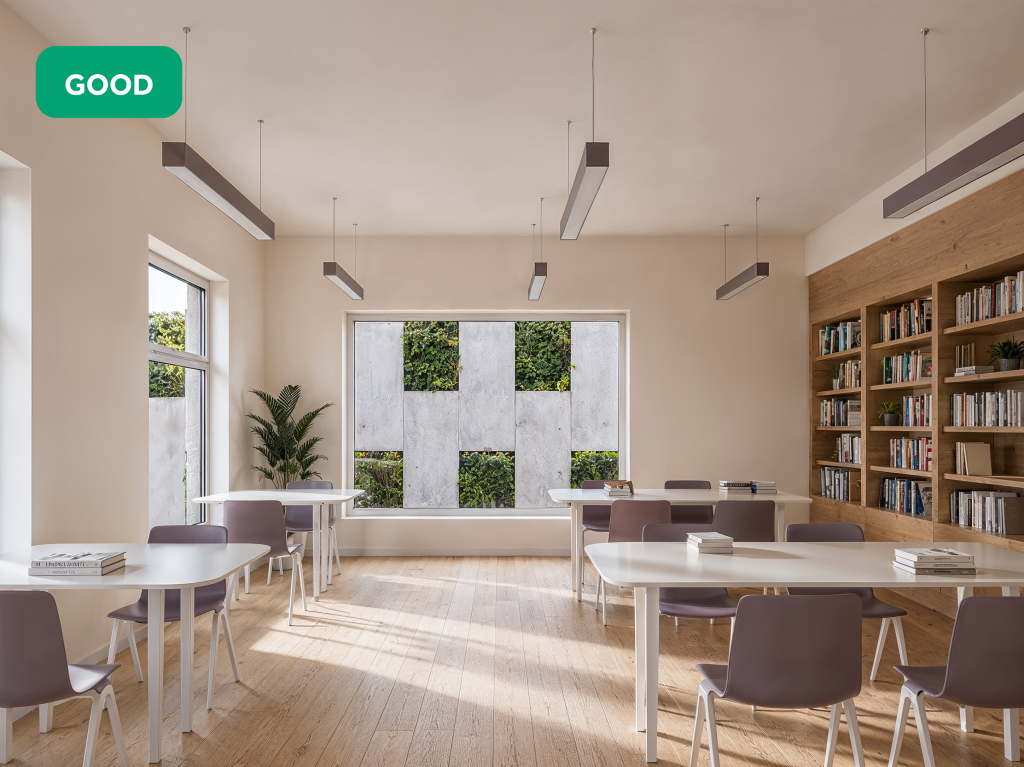
The professional design decision: Color must serve the function of the space. Bedrooms often need calm and
softness; living areas need warmth and balance; offices need focus and clarity; restaurants need memory and atmosphere.
- Test colors with the actual lighting conditions of the space.
- Use accent colors intentionally, not everywhere.
- Remember that color changes when placed beside wood, stone, fabric, and daylight.
7. Forgetting natural light and window behavior
What the client feels: The room feels heavy during the day, glare appears in the wrong place, or furniture blocks the best daylight.
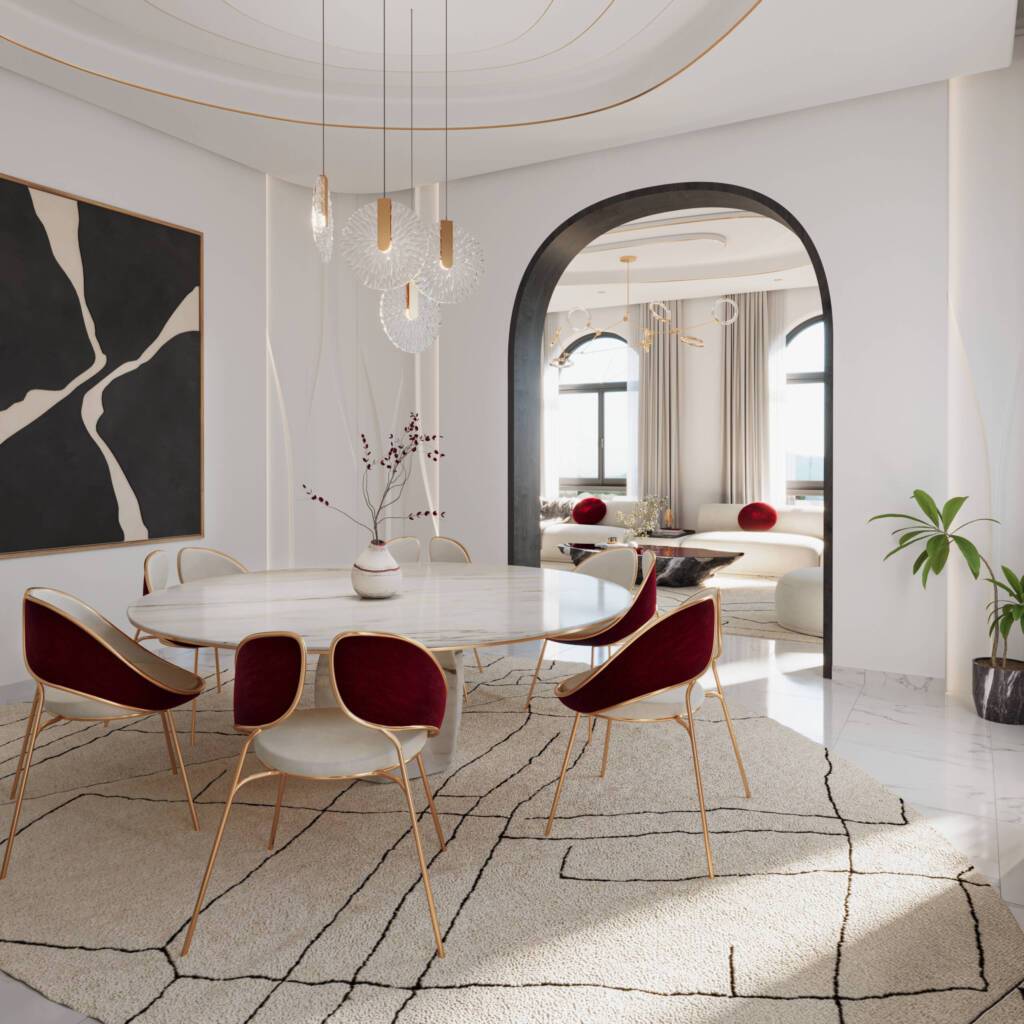
The professional design decision: Natural light should be treated as a design material. It affects color, mood,
productivity, comfort, and how large the space feels.
- Keep daylight paths open when possible.
- Use window treatments that control glare without killing the room.
- Consider expanding openings or changing layout when natural light is the strongest asset
8. Using decor as filler instead of storytelling
What the client feels: Shelves, walls, tables, and corners get filled with objects simply because they are empty.
The professional design decision: Decor should finish the story, not cover emptiness. Art, plants, books, rugs,
vases, sculptures, and accessories should add scale, rhythm, personality, and meaning.
- Choose fewer pieces with stronger purpose.
- Mix object heights and textures so shelves feel composed, not crowded.
- Let decor reflect the client, brand, or atmosphere of the place
9. Ignoring acoustic comfort and tactile comfort
What the client feels: The room looks beautiful but feels noisy, echoey, hard, or physically uncomfortable.
The professional design decision: Comfort is not only visual. Fabric, rugs, curtains, upholstered panels, wood,
and soft surfaces can improve how a space sounds and feels.
- Use soft materials where echo or hardness is a problem.
- Think about what people touch: chairs, armrests, handles, fabrics, work surfaces, and floors.
- Balance visual beauty with physical comfort.
10. Skipping 3D visualization before making expensive decisions
What the client feels: The client approves drawings and samples but still cannot imagine how everything will feel together.
The professional design decision: 3D visualization reduces risk. It lets the client test scale, lighting, material
combinations, furniture balance, color mood, and styling before real money is spent on execution.
- Use 3D renders to compare options before buying expensive furniture or materials.
- Check day and night lighting scenarios.
- Review the design from human eye level, not only as a flat plan.
A successful interior is not created by adding more. It is created by making better decisions: the right layout, the right furniture scale, the right lighting layers, the right material palette, the right mood, and the right details that support real life.
Whether the project is residential, commercial, hospitality, workspace, or a custom environment, good design should feel like it belongs to its purpose. It should help people rest, focus, connect, move, remember, and feel something specific.
At Lumivox Studio, we design spaces before they are built, test decisions through realistic visualization, and shape every detail with intention. You can explore our portfolio to see how these ideas come to life in real projects.
Start your project with Lumivox Studio.
Share your space, your goals, and the feeling you want to create. When you’re ready, feel free to contact us and transform your idea into a design that works beautifully in real life.
